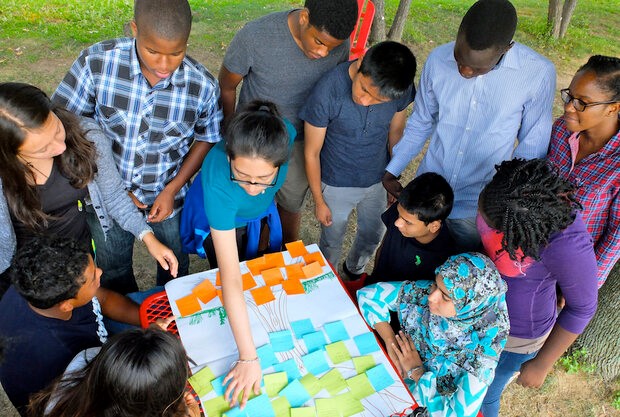
In 2019, millions of students, worldwide, took to the streets to protest the advance of global warming. This global student strike movement was sparked, in part, by a Swedish teen named Greta Thunberg who, like so many young people, could see they were being handed some very nasty, long term, problems by an older generation. American students were right there with Greta in striking against unchecked global warming. Since that time, two things have turned out to be true. First, the Intergovernmental Panel on Climate Change published its sixth assessment (2022) and pronounced, definitively, that things are worse and are coming on faster than even its worldwide team of scientists had originally predicted. Second, despite a clear expression of outrage by hundreds of thousands of American youth, there were very no sizable policy changes to better educate students on the consequences of climate change and what can be done. There was a lot of nationwide discussion for sure but actual changes to education policy and funding were missing in all but a few instances.
The subject of climate change is highly complex. It involves a range of interconnected scientific, social and economic concepts and how they translate in the real world. It also is influenced by a good deal of false information which can make it wholly confusing. In addition to these factors, there is a huge amount of foundational learning that is needed before digging the subject itself — Earth and life sciences for starters. This foundational learning is best delivered by trained educators who understand age appropriateness, subject scope and sequenced (building block) learning. This can happen in school and is much less likely to happen when the students are working on their own. We need to recognize this as a simple truth. School is the best place for young people to obtain both foundational and specialized knowledge around climate change and its solutions. It is unwise, and terribly unfair, to expect students to learn the subject on their own. As it now stands, they is what most students are facing because so little is actually being taught. That said, learning about the greatest existential problem facing the planet today and what can be done about is not really as discretionary as some would like us to believe. Schools and educators stand as guides at the beginning of that long and challenging path. It is surely time for government leaders (national, state and local) to step up and provide the framework and funding for true and effective climate education for an emerging generation.



 Climate Age
Leave a comment